
About Mohs & Surgical Cancer Management
Mohs surgery is a specialized, stage-by-stage process that allows for immediate microscopic examination of the excised tissue while you wait. This ensures that all cancerous cells are removed before the wound is closed—resulting in the highest possible cure rate with minimal tissue loss.
Our Brookfield and Franklin, Wisconsin, locations are home to our Board Certified Mohs Surgeon, Dr. Bradley Straka. With extensive experience and a focus on precision, Dr. Straka ensures both effective treatment and excellent cosmetic outcomes.
Call to bookHow Mohs & Surgical Cancer Management Works
Step-by-Step Cancer Removal
During Mohs surgery, our surgeon removes a thin layer of cancerous skin, then examines it under a microscope while you wait. This process is repeated—layer by layer—until no cancer cells remain. This method minimizes tissue loss and ensures clear margins.
Precision for Sensitive Areas
Mohs is especially effective for cancers on the face, scalp, ears, hands, feet, or genitals—where preserving healthy tissue is critical. It also works well for aggressive or recurring tumors.
Staged Removal for Melanoma
For select melanomas, our doctors use a specialized approach called “staged excision” or “slow Mohs.” This technique uses fixed tissue and advanced stains read by board-certified dermatopathologists to confirm complete removal, avoiding errors that can occur with frozen samples.
Outstanding Cosmetic Results
Our surgical team is focused on both cancer clearance and your appearance. Once the cancer is gone, we carefully reconstruct the area to help you heal with minimal scarring and the best cosmetic outcome possible.
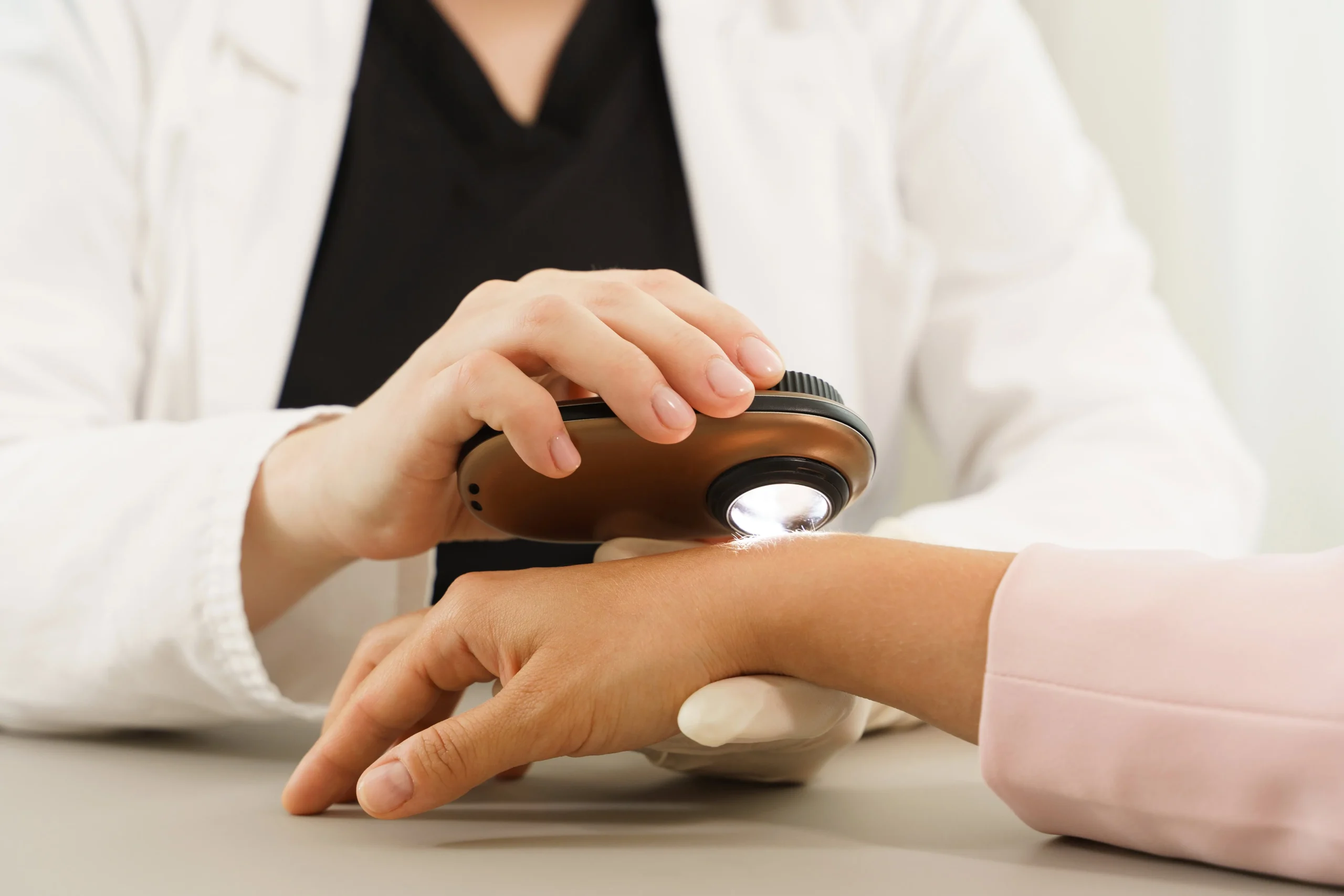
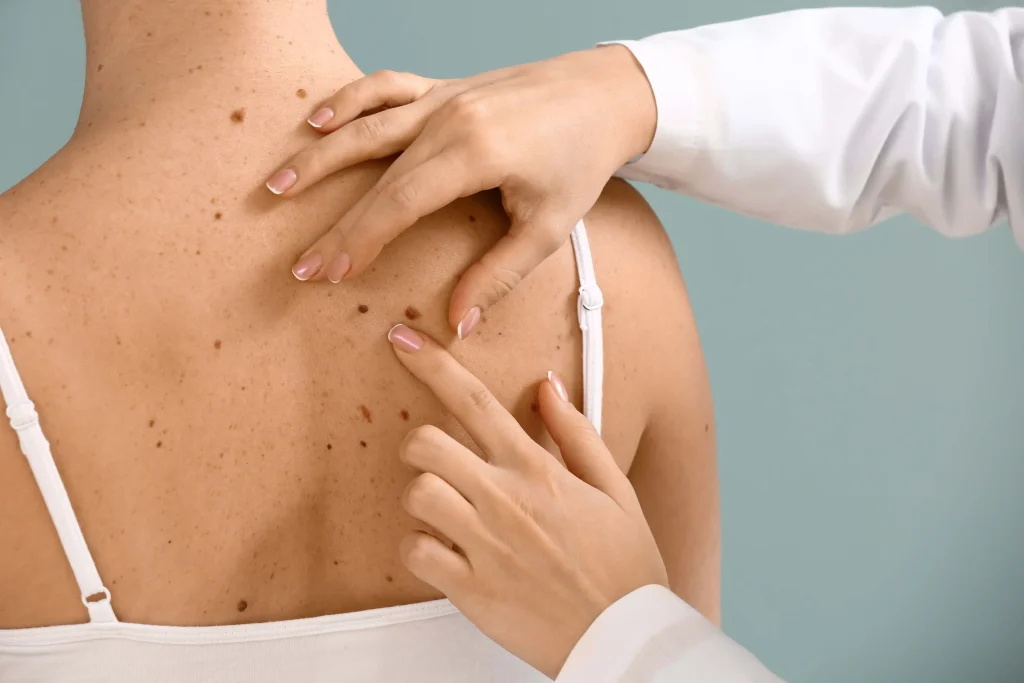
Candidates for Mohs & Surgical Cancer Management
- Basal cell carcinoma (BCC)
- Squamous cell carcinoma (SCC)
- Skin cancers on the face, ears, neck, or hands
- Aggressive or recurrent skin cancers
- Select cases of melanoma requiring staged excision
Mohs surgery is ideal for patients who want the highest cure rates for skin cancer with the smallest scar possible. It is especially recommended for cancers in areas where preserving healthy skin is vital, or where the cancer has returned after previous treatment.
Call to bookMohs & Surgical Cancer Management
Frequently Asked Questions
What types of skin cancer is Mohs used for?
Mohs is primarily used to treat basal cell carcinoma and squamous cell carcinoma, and can also be used for certain melanomas in sensitive or high-risk areas.
What makes Mohs surgery different?
Unlike traditional excisions, Mohs examines each tissue layer in real time. This allows for complete cancer removal with maximum preservation of healthy skin.
How long does the procedure take?
Most Mohs surgeries are completed in a few hours, depending on how many layers need to be removed. You’ll wait comfortably between each stage.
Will I be left with a scar?
Some scarring is expected, but our skilled surgeons design closures to minimize visibility—often blending incisions into natural skin lines or creases.
Is Mohs surgery painful?
The area is numbed with local anesthesia, so you’ll stay comfortable throughout. Patients often report minimal discomfort after the procedure.
Reviewed for clinical accuracy by a Highlander Dermatology & Aesthetic Center Medical Editor on October 20th, 2026.